Buying Property in France: A Guide for International Buyers 2026

Table of Contents
1. Can non-residents buy property in France?
2. Why France remains so popular with overseas buyers
3. How the French property buying process works
4. The true cost of buying property in France
5. Why foreign exchange can make or break your budget
6. Managing currency risk effectively
7. Why use a specialist currency provider?
8. Making sure payments arrive on time
Owning a home in France is a dream for many overseas buyers. The country is synonymous with lifestyle, culture and cuisine, and its property market offers everything from elegant city apartments to rural farmhouses and coastal retreats. Compared with many other Western European markets, French property can also represent good value for money.
That said, purchasing a home in France as a non-resident comes with complexities. You’ll be buying in a different legal system, dealing in euros, and navigating post-Brexit residency rules. Whether your goal is a holiday home, a long-term investment or a permanent move, it’s important to understand the process fully before committing.
This guide explains how buying property in France works, the costs involved, and why managing your foreign exchange exposure is a crucial – and often underestimated – part of the journey.
Can non-residents buy property in France?
Yes. France has no restrictions on foreign ownership. You can buy property whether you intend to use it as a second home, rent it out, or relocate in the future.
However, owning property does not automatically grant residency rights. EU citizens can live in France without restriction, but buyers from the UK, US, Australia and other non-EU countries are generally limited to 90 days in any 180-day period.
Entry and exit are now closely monitored under the EU’s Entry/Exit System (EES), making overstays far easier for authorities to detect.
If you plan to stay longer, retire, or move permanently, you’ll need the appropriate visa and residency permit. Certain visas also restrict activities such as working in France, so it’s essential to check official government guidance before making plans.
Why France remains so popular with overseas buyers
France continues to attract international buyers thanks to its diversity, stability and lifestyle appeal. From ski resorts in the Alps and vineyards in Bordeaux to Provençal villages and Atlantic beaches, few countries offer such a wide range of locations.
Key attractions include:
A well-established and transparent property buying system
Strong legal protections for buyers
Competitive prices compared with the UK and some other European markets
Larger homes and outdoor space
A sizeable international community
Hundreds of thousands of Britons and Americans already live in France, with many more owning second homes.
How the French property buying process works
While the process is structured, it differs from what many overseas buyers are used to. Below is a typical journey.
1. Clarify your goals and budget
Decide how you intend to use the property: holidays, rental income, retirement or full-time living. Importantly, work out your budget in both your home currency and euros to understand your exposure to exchange rate movements.
2. Choose the right area
Property prices, climate, taxes and building styles vary widely between regions. Visiting in person or spending time researching local markets can help avoid costly mistakes.
3. Prepare your finances early
All property transactions in France are completed in euros. Exchange rates can move significantly between agreeing a price and completing the purchase, sometimes adding thousands to the final cost.
Putting a currency plan in place early with a specialist can help protect your budget.
4. Get legal support
A notaire (a state-appointed legal official) oversees the transaction, but many international buyers also appoint an independent lawyer to represent their interests and explain documents clearly.
5. View properties
Viewing trips are usually concentrated into a few days. Agents may ask you to sign a bon de visite, confirming that you were introduced to the property by them.
6. Make an offer
Once your offer is accepted, both parties sign the compromis de vente. At this stage, you’ll normally pay a deposit of around 5–10% of the purchase price.
7. Legal checks and administration
The notaire carries out searches and ensures the property complies with regulations. This period typically lasts two to three months.
8. Completion (Acte de Vente)
On completion day:
The remaining balance is paid
The sale is registered
Ownership transfers to you
Your funds must arrive in euros and on time, making advance currency planning essential.
The true cost of buying property in France
In addition to the agreed purchase price, buyers should budget for:
Notaire fees: Around 7–8% for older properties, and closer to 2–3% for new builds
Agency fees: These may be paid by the buyer or seller, depending on the listing
Taxes and registration charges
Surveys or inspections, particularly if you plan renovations (French planning rules are strict)
A sensible rule of thumb is to allow around 10% on top of the purchase price.
Why foreign exchange can make or break your budget
You’ll usually need to send funds in stages, including:
Reservation payments
The initial deposit
Completion funds
Taxes, fees and ongoing costs
Because the property is priced in euros, changes in the exchange rate directly affect how much you pay in pounds or dollars.
For example, a €300,000 property might cost:
£255,000 at one exchange rate
£265,000 at another
These kinds of movements are common over a two- or three-month purchase timeline. Without a strategy, the final cost can change dramatically just before completion.
Managing currency risk effectively
This is where Overseas Payments can help reduce uncertainty.
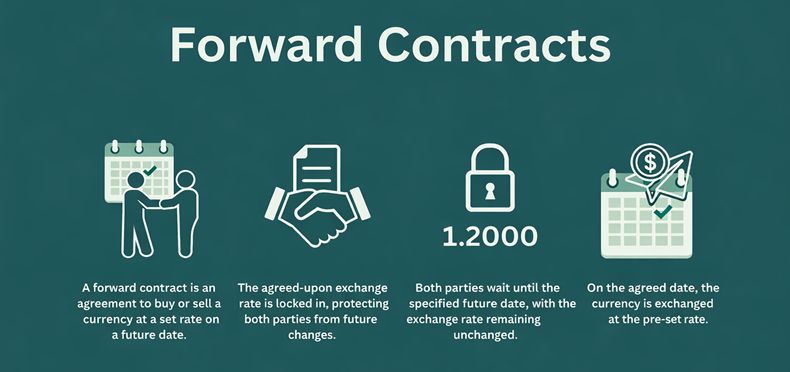
A forward contract allows you to lock in today’s exchange rate for a future payment, such as your completion funds. This removes the risk of adverse market movements and gives you certainty over the final cost in your home currency.
If you’re still flexible on timing, rate alerts and market orders allow you to act automatically if your target exchange rate is reached, helping you avoid sudden spikes in costs.
Why use a specialist currency provider?
When buying property in France, using a specialist like Overseas Payments can make a significant difference.
High-street banks often apply wide margins, charge higher fees and provide little protection against exchange rate volatility. Online-only platforms may lack personal support if something goes wrong.
With Overseas Payments, you’ll have a dedicated account manager who understands international property purchases. They’ll help you plan transfer timings, meet notaire deadlines and reduce unnecessary costs.
Making sure payments arrive on time
Notaires operate to strict deadlines, and missed payments can delay or even jeopardise a purchase. Overseas Payments helps ensure that:
Funds are sent when required
Payments arrive in euros and in full
You always know the status of your transfer
Final thoughts
Buying property in France can be a rewarding lifestyle choice and a sound long-term investment – but preparation is key. Understanding the buying process, budgeting accurately for costs, and planning your currency strategy early can save both money and stress.
With the right professional support in place, including expert guidance from Overseas Payments, you can approach your French property purchase with confidence and clarity.
Thank You!
We've received your enquiry. A member of our team will be in touch shortly.