Buying Property in Dubai in 2026
Table of Contents
1. Can foreigners buy property in Dubai?
2. Residency and visas through property ownership
3. Why invest in Dubai property?
4. The property buying process in Dubai
5. Costs to budget for when buying in Dubai
6. Why currency exchange matters more than most buyers realise
7. Managing your currency risk
8. Why use a specialist currency provider?
9. Making sure payments arrive on time
10. Final thoughts: buying property in Dubai
Dubai continues to attract international buyers thanks to its striking architecture, world-class lifestyle, and reputation as a global business hub. Whether you’re drawn by luxury living, investment potential, or long-term relocation, owning property in Dubai remains an appealing option.
That said, purchasing real estate overseas can feel complex — especially when large sums of money, legal processes, and foreign currencies are involved. On top of that, property ownership in Dubai can also play a role in residency and visa eligibility, making it even more important to plan carefully.
This guide explains how buying property in Dubai works, what costs to expect, and one often overlooked factor: currency exchange. Because properties are priced in UAE Dirhams (AED), and the AED is pegged to the US Dollar, fluctuations in global currency markets can significantly affect your overall budget.
Can foreigners buy property in Dubai?
Yes — non-residents are allowed to buy property in Dubai, but typically within designated freehold areas.
In these zones, foreign buyers can own property outright, with the title deed registered in their name. Outside of these areas, ownership structures may differ (such as leasehold arrangements), and eligibility can vary depending on the location.
Popular freehold communities include:
Downtown Dubai
Dubai Marina
Palm Jumeirah
Dubai Hills Estate
Jumeirah Lake Towers
Before committing, always confirm ownership status with your agent or legal representative.
Residency and visas through property ownership
Dubai offers residency options linked to property ownership, though eligibility depends on the value of the property and your personal circumstances. Requirements can change, so it’s important to check official guidance early in the process.
Common visa routes include:
2-year investor visa (renewable) – typically available to property owners who meet the minimum investment threshold.
10-year Golden Visa (renewable) – available for higher-value property investments and may include family sponsorship.
Retirement visa – available to qualifying individuals who meet age and financial criteria.
Visa rules may vary depending on whether the property is mortgaged, jointly owned, or part of a wider portfolio, so professional advice is strongly recommended before exchanging contracts.
Why invest in Dubai property?
Dubai remains one of the most attractive international property markets for overseas buyers. The city offers a wide range of property types, from beachfront villas to high-rise apartments close to business districts and transport hubs.
Key reasons buyers are drawn to Dubai include:
Tax efficiency: No personal income tax for residents (though VAT and fees still apply).
Attractive rental yields: Often competitive when compared with other major global cities.
Lifestyle appeal: Sunshine, beaches, dining, leisure, and world-class infrastructure.
Strong connectivity: A major international travel hub with excellent global links.
The property buying process in Dubai
Below is a typical journey for overseas buyers purchasing a completed (resale) property. Off-plan purchases follow a slightly different structure.
1. Define your goals and budget
Decide whether the property is for lifestyle use, rental income, or long-term investment. It’s essential to calculate your budget in both your home currency and AED so you understand your exposure to exchange rate movements from the start.
2. Choose the right location
Dubai is made up of distinct communities, each offering a different lifestyle. A beachfront apartment feels very different from a suburban villa or a city-centre residence. If you can’t visit in person, a trusted agent can arrange virtual tours and area comparisons.
3. Plan your finances early
All property transactions are completed in AED. If your home currency weakens against the US Dollar during the buying process, the total cost can increase — even if the property price stays the same. Having a currency strategy early helps reduce this risk.
4. Work with licensed professionals
Ensure your estate agent is properly registered. Many buyers also use a conveyancer or legal professional to manage documentation and ensure compliance, particularly if they’re purchasing remotely.
5. Make an offer and sign the MOU (Form F)
Once the offer is accepted, both parties sign a Memorandum of Understanding (Form F), and a deposit is usually paid at this stage.
6. No Objection Certificate (NOC)
The seller arranges an NOC from the developer, confirming there are no outstanding fees or restrictions preventing the sale.
7. Final transfer at the Dubai Land Department
The buyer and seller (or their representatives) attend the DLD Trustee Office to complete the transfer. Payment is made, fees are settled, and the title deed is issued. Because timelines can move quickly, it’s vital your funds are available in AED when required.
Costs to budget for when buying in Dubai
In addition to the purchase price, buyers should plan for the following:
Dubai Land Department (DLD) fee: Typically 4% of the purchase price
Trustee office / registration fees: Fixed fees depending on the transaction
Agency fees: Commonly around 2% + VAT for resale properties
NOC fees: Set by the developer
Ongoing costs: Service charges, utilities, maintenance, and community fees
As a general guide, many buyers budget 7–8% on top of the purchase price, though this can vary depending on property type, developer, and whether financing is used.
Why currency exchange matters more than most buyers realise
Most buyers need to transfer funds multiple times, including:
Reservation or booking deposits
Initial deposit on signing the MOU
Final balance at completion
DLD fees, agent commissions, and setup costs
Because the AED is pegged to the US Dollar, anyone buying with Pounds, Euros, or other currencies is exposed to USD fluctuations.
For example, a property priced at AED 2,000,000 might cost:
Around £420,000 at one exchange rate
Around £439,000 at another
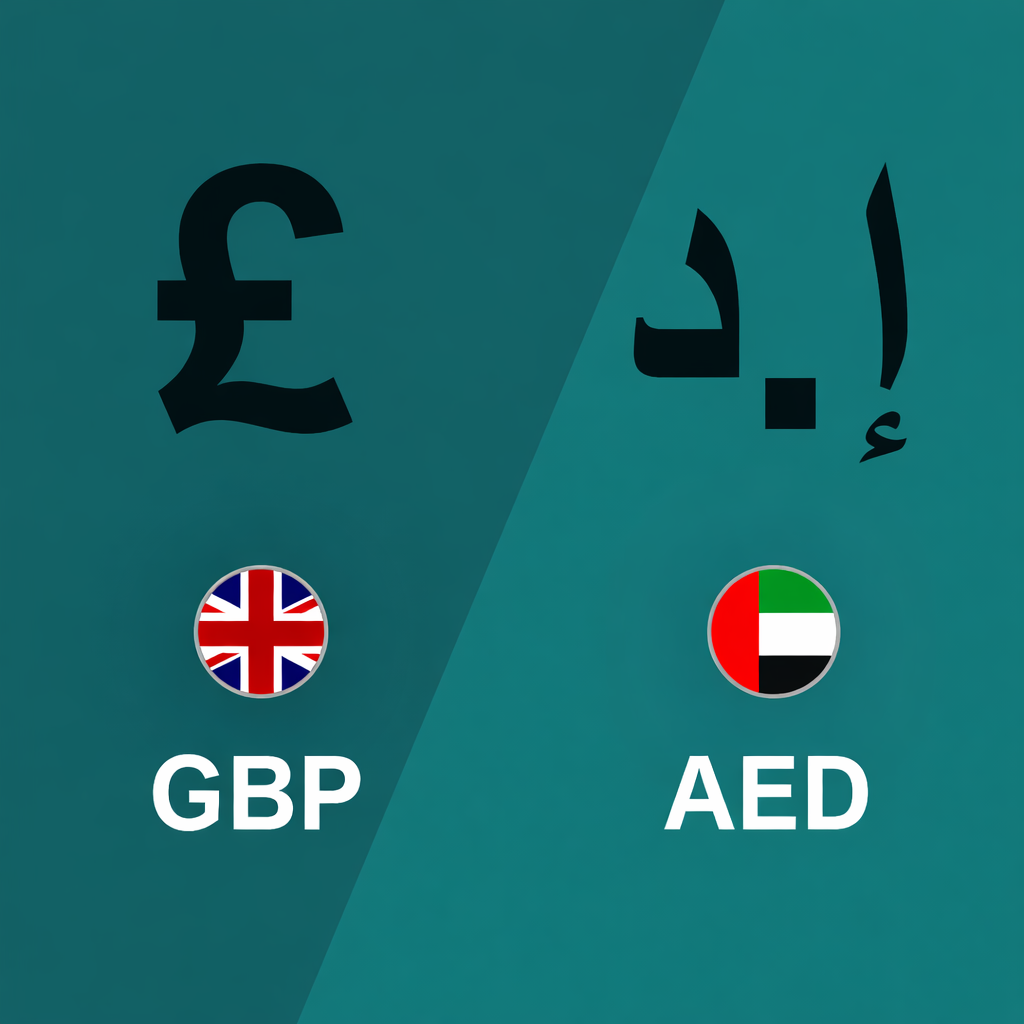
That’s nearly £19,000 difference, purely due to currency movements — and these shifts can occur during normal transaction timelines.
Managing your currency risk
Fortunately, there are ways to reduce or even eliminate this uncertainty:
Forward contracts – Lock in an exchange rate today for a future payment, protecting you from market volatility.
Market orders / rate alerts – Set a target rate and automatically secure currency if the market reaches it.
Planning early gives you far more control and peace of mind.
Why use a specialist currency provider?
When buying overseas property, specialist providers often offer better support than traditional banks. Transfers are typically faster, more cost-effective, and tailored to property timelines.
With Overseaspayments.com, you benefit from:
Dedicated account management
Guidance on timing and currency strategy
Tools such as forward contracts and market alerts
Clear communication throughout the buying process
The goal is simple: to make international payments smoother, more predictable, and less stressful.
Making sure payments arrive on time
Dubai property transactions can move quickly near completion. To avoid delays:
Know exactly when each payment is due
Confirm who receives each payment (developer, seller, agent, trustee office)
Allow for bank processing times and compliance checks
Ensure funds are available in AED before deadlines
Good preparation can help prevent costly delays or lost opportunities.
Final thoughts: buying property in Dubai
With the right preparation, buying property in Dubai can be both financially rewarding and personally fulfilling. The key is understanding the process, planning your finances carefully, and managing currency exposure from the very beginning.
To summarise:
Budget accurately, including fees and ongoing costs.
Treat currency exchange as a core part of your strategy — AED is tied to USD, which directly affects your budget.
Work with experienced professionals, including agents, legal advisers, and currency specialists, to move confidently and efficiently.
With the right support and planning, your Dubai property purchase can be a smooth and successful experience — and a valuable long-term investment.
Thank You!
We've received your enquiry. A member of our team will be in touch shortly.