The growing appeal of €1 homes and rural revival schemes
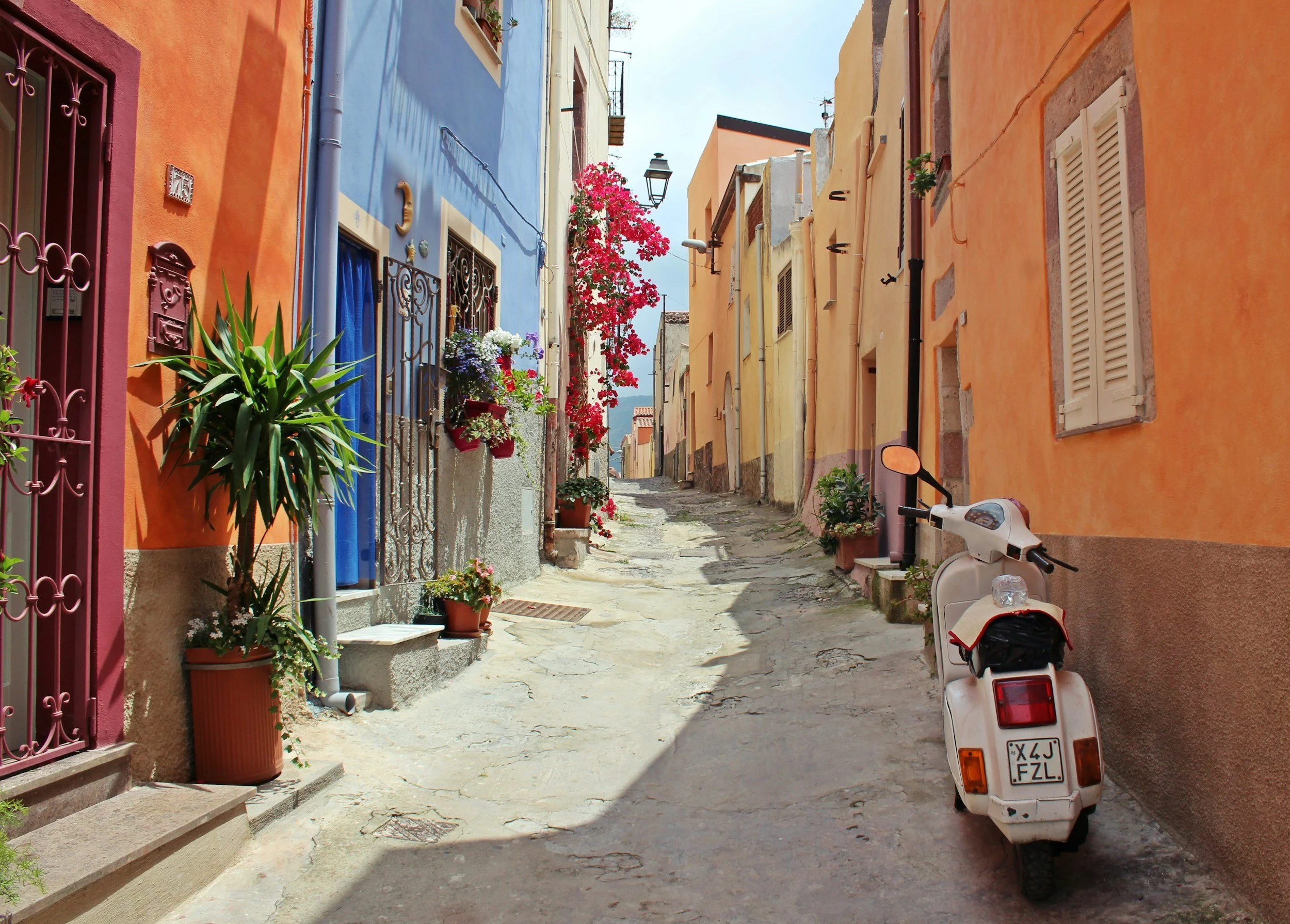
Table of Contents
1. €1 homes in Italy: how they work
2. What buying a €1 home really involves
3. Other property incentives across Italy
4. Who can apply and what to expect
5. Rural regeneration schemes beyond Italy
6. Are €1 homes and similar schemes worth it?
7. Practical tips before you buy
8. Learn more about buying property overseas
Across Europe, interest in €1 homes and countryside regeneration schemes continues to rise. These initiatives, offering symbolic property prices or financial incentives, promise the chance to own a home for less than the price of a takeaway while breathing new life into declining communities.
Although Italy remains the most well-known example, similar programmes are now appearing across Europe and beyond. In 2025, more regions, municipalities and even national governments are exploring creative ways to reverse rural depopulation and attract new residents.
In this guide, we explore how €1 home schemes work, what they truly cost, where similar opportunities exist worldwide and how to approach them sensibly if you’re considering buying property abroad.
1. €1 homes in Italy: how they work
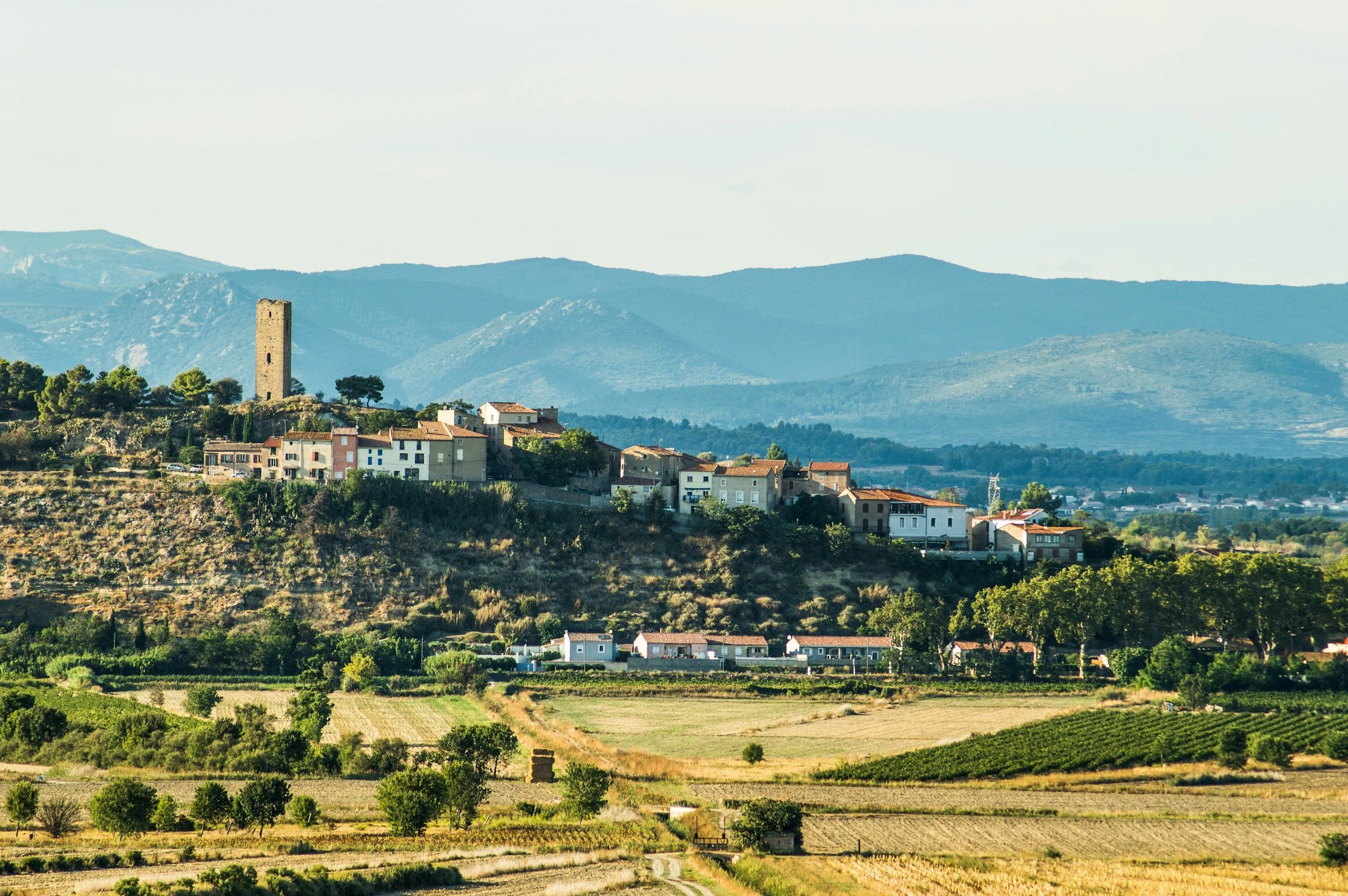
Italy introduced the €1 home concept over a decade ago as a way to revitalise villages facing long-term population decline. Local councils sell abandoned or derelict properties for a symbolic €1 to encourage new residents and investment.
Many rural and southern Italian towns have struggled for decades as younger generations moved to cities for work, leaving empty homes and shrinking local economies. These schemes aim to reverse that trend.
High-profile examples include Sambuca di Sicilia, which attracted global attention after auctioning €1 properties. Following strong demand, the town later introduced higher deposits to attract buyers committed to completing renovations. In 2024, Calatafimi Segesta launched a similar programme focused on sustainable restoration, reporting renewed economic activity as new residents settled in.
It’s important to understand that the €1 price is symbolic. Buyers must cover all renovation and legal costs themselves, which represent the real investment. Still, for many, the idea of restoring a traditional home in Sicily or Sardinia remains hugely appealing.
2. What buying a €1 home really involves
While the headline price is minimal, the responsibilities are significant. Buyers are typically required to:
Pay a refundable security deposit, usually between €1,000 and €5,000
Complete renovations within a fixed timeframe (often 1–3 years)
Submit approved renovation plans and secure the necessary permits
Renovation costs can vary dramatically depending on the condition of the property, but budgets often fall between €20,000 and €100,000+.
Bureaucracy is another major consideration. Buyers must comply with Italian planning regulations, which may include structural assessments, seismic upgrades, energy efficiency certificates and heritage protections. Understanding these requirements early is essential.
3. Other property incentives across Italy
Italy’s rural regeneration efforts go well beyond €1 homes. Many regions now offer grants or tax incentives to attract new residents or encourage business creation.
For example, areas such as Molise and Trentino-Alto Adige provide financial support to families relocating or launching small enterprises. At a national level, Italy’s Superbonus scheme, once covering up to 110% of renovation costs, has been scaled back in 2025, but some local authorities continue to offer targeted energy-efficiency incentives.
In some cases, these alternatives may be more practical than €1 homes, especially for buyers seeking partially renovated properties or lower-risk projects.
4. Who can apply and what to expect
€1 homes are generally open to both Italian and international buyers, though eligibility rules differ by municipality.
EU citizens typically face fewer administrative hurdles, while non-EU buyers may encounter additional paperwork, longer processing times or specific residency requirements. All buyers must prove they have sufficient funds to complete renovations and meet local tax obligations.
It’s also essential to check ownership details carefully. Some properties come with shared walls, complex inheritance histories or legal constraints that require professional review.
In short, buying a €1 home in Italy is possible in 2026, but success depends on preparation, patience and expert advice.
5. Rural regeneration schemes beyond Italy
Italy may have popularised the concept, but many other countries are adopting similar approaches to revitalise declining communities.
Croatia – symbolic sales and renovation grants
The Croatian town of Legrad, near the Hungarian border, gained international attention for selling properties for as little as 13 cents. Buyers must commit to renovating the homes and living there long-term.
In 2024, the town awarded renovation grants of up to €3,500 to new residents, with several neighbouring areas now considering similar programmes.
Spain – financial support for rural living
Spain’s rural depopulation challenge has led to new regional incentives. In 2025, regions such as Castilla y León and Galicia introduced grants for young buyers under 35 who purchase or renovate homes in small villages.
Depending on the project, grants can range from €10,000 to €15,000. In 2023, the Galician town of Mondoñedo awarded €12,000 to a young couple restoring a rural property.
Although not €1 schemes, these initiatives share the same goal: keeping rural communities alive.
France – €1 homes and tax relief
France has also trialled symbolic property sales. In towns such as Ambert, abandoned homes have been sold for €1, provided buyers commit to renovation within a fixed timeframe.
France also supports rural development through its Fonds de Revitalisation Rurale (FRR), which offers tax incentives and grants for residential and commercial projects.
Portugal – affordable land and eco-focused projects
Portugal’s rural incentives focus less on symbolic pricing and more on accessible land opportunities. In regions such as Alentejo and Centro, local authorities promote affordable plots and renovation support.
In 2024, Castelo de Vide introduced plots starting from €5,000, alongside subsidies for environmentally friendly housing, an attractive option for buyers seeking sustainable rural living.
Beyond Europe: global alternatives
Similar ideas are emerging worldwide, though they operate differently.
United States
Various towns offer relocation incentives, including Tulsa (up to $10,000) and Belleville, Kansas (up to $35,000). Eligibility usually requires the legal right to work in the US.
Canada
Some provinces offer tax incentives and relocation grants to attract residents to underpopulated areas.
Japan
Japan’s “akiya banks” list vacant or abandoned homes, sometimes free, provided buyers commit to renovation and long-term residency.
Together, these examples show that affordable overseas property isn’t limited to Europe, though each scheme comes with unique conditions.
6. Are €1 homes and similar schemes worth it?
For many people, the idea is appealing, but it’s not without challenges.
Advantages
Exceptionally low purchase price
Opportunity to create a personalised home
Contribution to community regeneration
Potential long-term value growth
Lifestyle benefits and a slower pace of life
Challenges
High renovation and compliance costs
Complex legal and administrative processes
Remote locations with limited amenities
Potential resale difficulties
Cultural and language barriers
These schemes suit buyers with flexibility, patience and realistic expectations. They are generally not ideal for those seeking quick returns or immediate move-in properties.
7. Practical tips before you buy
If you’re considering a low-cost property abroad, preparation is essential:
Research the municipality thoroughly and understand local rules
Set a realistic budget that includes renovations, taxes and fees
Visit the area in person before committing
Work with independent lawyers, surveyors and translators
Confirm access to utilities and infrastructure
Understand any long-term residency or usage obligations
Plan currency transfers carefully — using a specialist provider such as Overseas Payments can help reduce exchange costs and manage fluctuations
Keep clear records of all contracts, permits and payments
With the right planning and expectations, buying property abroad, even for €1, can be a rewarding and life-changing experience.
8. Learn more about buying property overseas
If you’re exploring international property opportunities, we have a wide range of guides covering destinations, costs and legal considerations.
And if you’d like support with international money transfers for a property purchase, our team is here to help. We offer competitive exchange rates, expert guidance and personalised support to help you make the most of your money.
Thank You!
We've received your enquiry. A member of our team will be in touch shortly.